
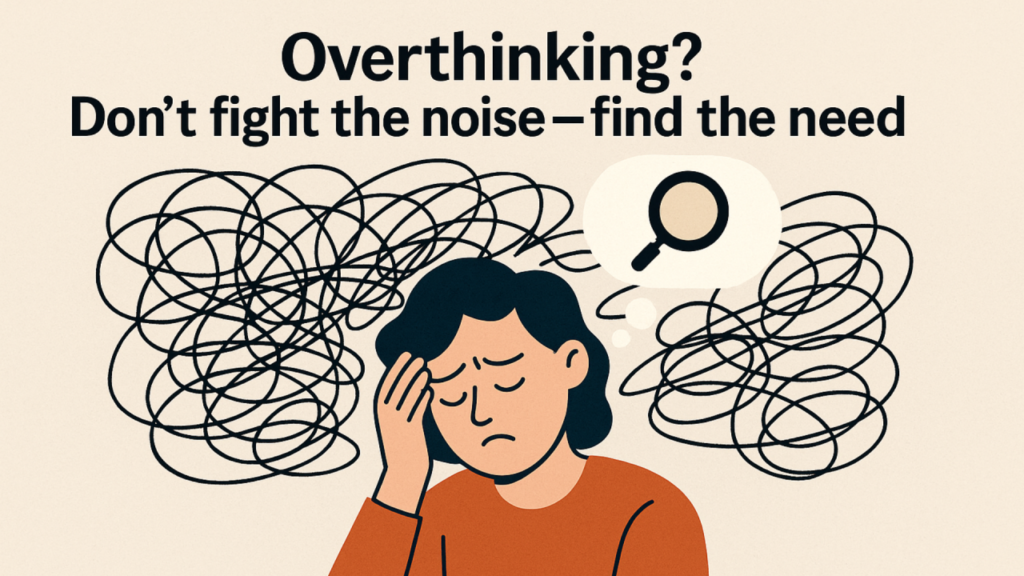
Overthinking feels like your mind never shuts up. You replay conversations, imagine worst-case scenarios, and panic over things that have not even happened yet. As a result, you may feel stuck inside your own thoughts. Most of the time, those thoughts are negative and exhausting.
Personally, I know this feeling very well because I am an overthinker too. However, the good news is that there are simple and natural ways to reduce overthinking and make life feel a little more carefree.
Strategies to Alleviate Overthinking
1. Name Your Thoughts, Do Not Fight Them
Overthinking often grows stronger when you resist your thoughts. Instead of fighting them, gently say to yourself, “This is overthinking, not reality.”
By doing this, you begin to separate facts from fear and gain more control.
2. Limit Mental Replays
Sometimes, your mind keeps repeating the same situation again and again. When this happens, tell yourself, “I will think about this tomorrow.”
Interestingly, when tomorrow comes, the problem usually feels less important.

3. Engage in Physical Movement
Physical movement can quickly calm your mind. For example, walking, stretching, or even dancing helps release mental tension.
In fact, movement works like natural medicine for anxiety and overthinking.

do exercise , do meditation , do yoga or else do workout

4. Reduce Mental Input
Too much phone time often leads to too much thinking. In particular, social media overload makes your brain tired and restless.
Therefore, take short breaks from your phone and notice how calm your mind feels.
Additional Tips to Calm Overthinking Naturally
5. Don’t Let Your Brain Jump Too Far Ahead
Overthinking often involves excessive concern about future events that have not yet occurred. To mitigate this, redirect your attention to the present moment and focus on what is within your control at this very instant. This simple adjustment can significantly diminish unnecessary anxiety and mental clutter.

6. Create a Simple Daily Routine
Establishing a consistent daily routine provides your mind with structure and predictability. When your thoughts are guided by a clear schedule, they tend to become more organized and less chaotic, fostering a sense of stability and calmness throughout the day.
7. Keep Yourself Gently Busy

Engaging in productive activities, even minor tasks, encourages mindfulness by anchoring your attention to the present. Maintaining gentle activity prevents your thoughts from spiraling into endless loops and promotes mental clarity.
8. Read Calming Books
Immersing yourself in peaceful or inspiring literature can serve as an effective method to slow down racing thoughts. Over time, this practice cultivates relaxation and contributes to a more balanced state of mind.

Disclaimer:
This guidance is derived from personal experience and general awareness. It should not replace professional mental health support when needed.
Leave a Reply